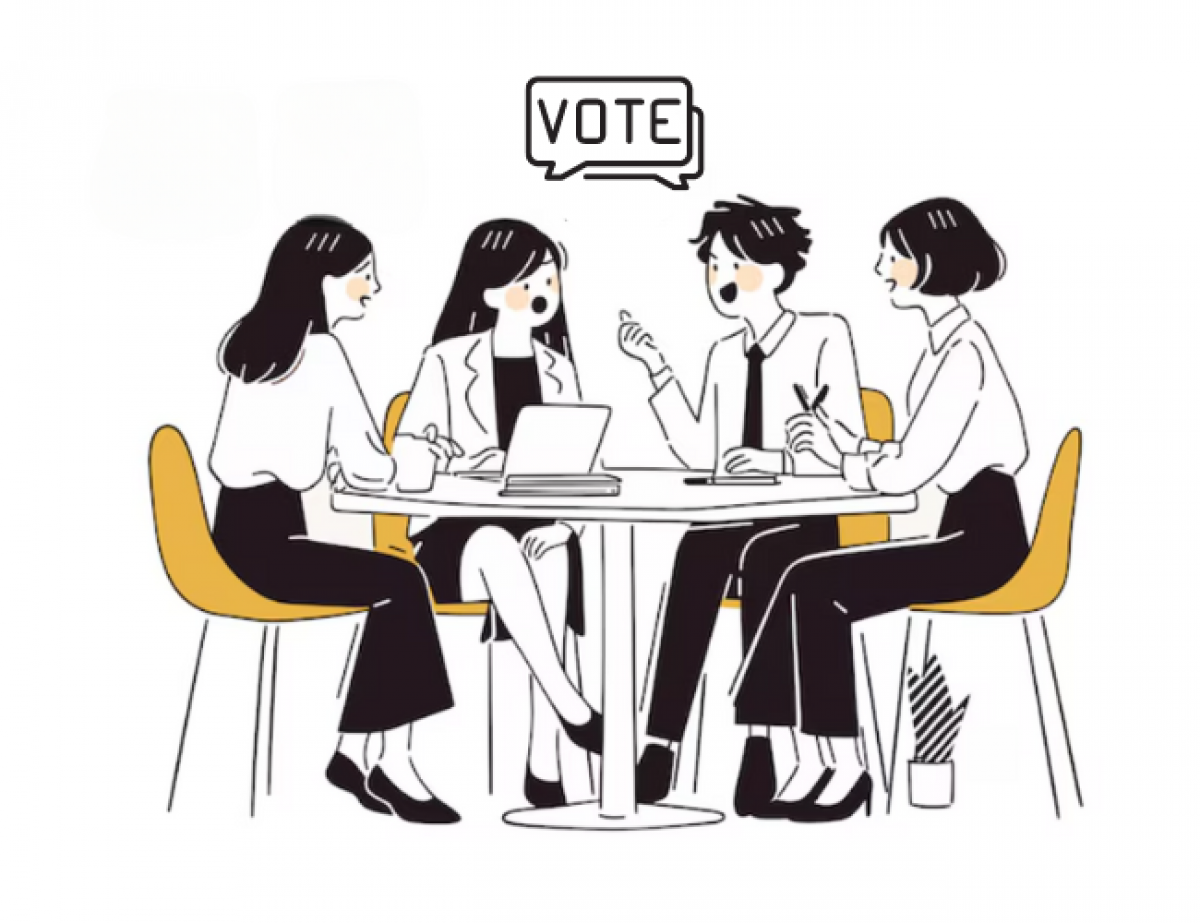
Designing a political game can be important because games turn abstract systems—laws, incentives, power dynamics—into experiences people can actively explore and understand. By letting players experiment with choices, consequences, and tradeoffs, games make politics feel less distant and more human, revealing how individual actions interact with larger structures. They lower barriers to engagement by replacing lectures with curiosity, play, and discovery, reaching people who might otherwise avoid political content. When done thoughtfully, political games encourage critical thinking, empathy, and long-term understanding by letting players learn through participation rather than persuasion.