
The best way to bring up new political topics with new people is to start lightly, framing the topic as a question or shared curiosity rather than a strong opinion. Connect it to something broadly relatable, like everyday experiences or common values—so the conversation feels inviting, not confrontational
Having a productive political conversation with someone who doesn’t agree with you starts with curiosity rather than persuasion. Go in aiming to understand how they arrived at their views, not to “win.” Ask open-ended questions, listen without interrupting, and reflect back what you hear so they feel understood—even if you disagree. People are far more open when they don’t feel judged or cornered. Keeping your tone calm, using “I” statements, and grounding your points in shared values (fairness, safety, dignity, opportunity) helps keep the conversation human rather than adversarial.

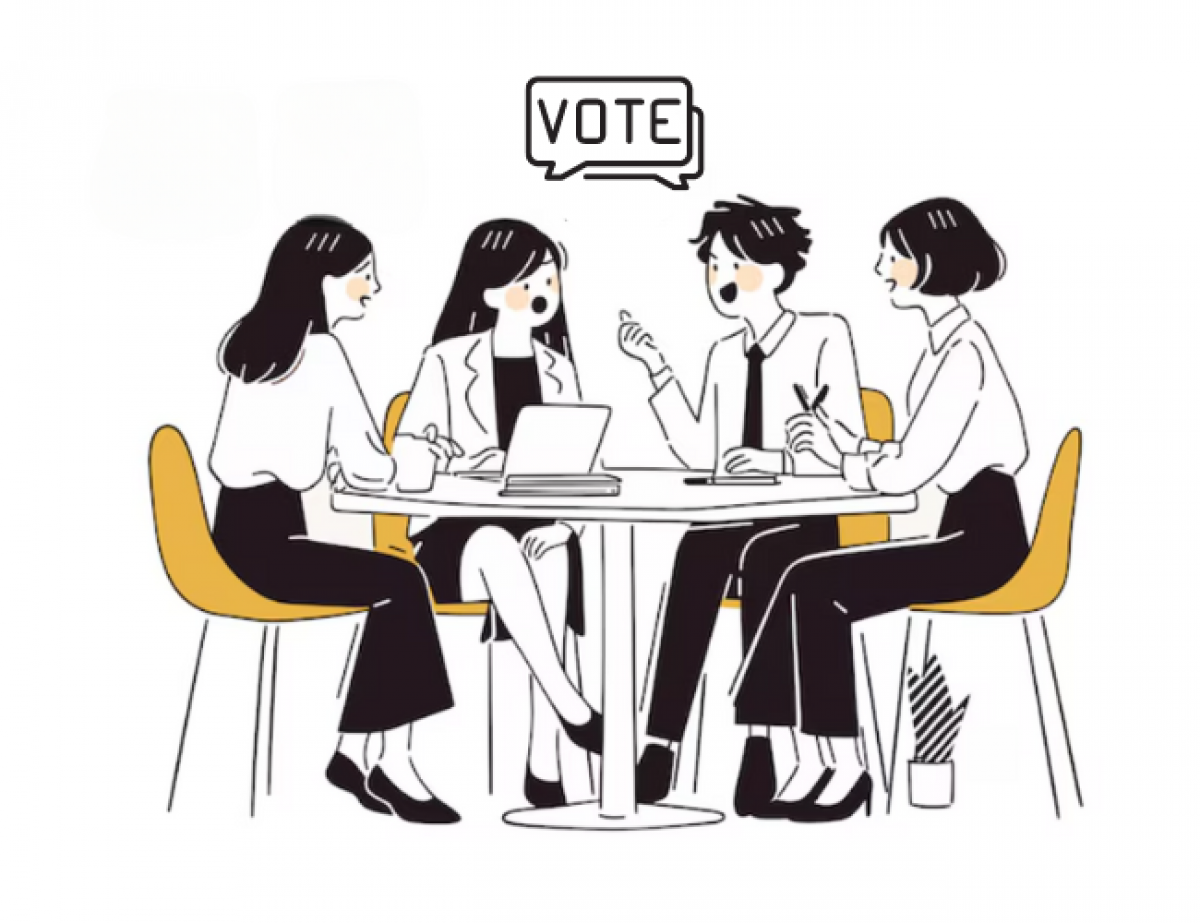
Choose the right moment.
Bring up political topics when both of you are calm, not distracted, and not in a public or high-pressure setting where people feel defensive.
Ask permission first.
A simple check-in like “Are you open to talking about something political?” gives the other person control and builds trust from the start.
Lead with shared values.
Frame the topic around common concerns—like fairness, safety, cost of living, or community well-being—rather than party labels or hot-button slogans.
Open with curiosity, not conclusions.
Ask how they think about the issue and what matters most to them, signaling that you’re here to understand, not debate.
Listen actively and patiently.
Let them finish their thoughts without interrupting, and pay attention to emotions and motivations, not just facts.
Reflect what you heard.
Briefly summarize their perspective in neutral language so they feel understood and can correct you if needed.
Ask one thoughtful follow-up.
Invite them to explain an experience, concern, or priority that shaped their view, which often reveals deeper common ground.
Share your perspective carefully.
Use “I” statements, speak from personal experience or reasoning, and keep your tone calm and non-absolute.
Stay focused and avoid overload.
Stick to one issue at a time and resist the urge to correct every point or introduce multiple topics at once.
End with respect and openness.
Thank them for the conversation, acknowledge what you learned, and leave the door open for future discussions—even without agreement.
Attempt building bridges, not comment wars!
It’s also important to know when to slow down or step away. If emotions rise, acknowledge them and suggest a pause instead of pushing harder. You don’t need to respond to every claim or correct every fact in the moment—sometimes planting a thoughtful question is more effective than delivering a rebuttal. Focus on long-term trust rather than immediate agreement. A respectful exchange won’t always change minds on the spot, but it can open space for reflection and make future conversations more honest, safer, and more productive.
How to Talk to People Who Disagree with You Politically – Research-based strategies for focusing on people over politics and finding common ground. Center for Media Engagement: Best Practices for Talking Across Political Differences
Why You Should Talk to People You Disagree With About Politics – Tips on curiosity-based listening and why respectful conversations matter. University of irginia: Why You Should Talk to People You Disagree With
Guide to Conversations Across the Partisan Divide – A practical guide for setting expectations and maintaining respectful dialogue. National Coalition for Dialogue & Deliberation: Conversations Across the Partisan Divide
10 Tips for Getting People to Talk Across Political Differences – A set of research-informed tips for structuring discussions and sharing values. Greater Good Science Center: Tips for Political Conversations
How to Talk to People You Disagree With Politically (She Should Run) – Persuasive but respectful guidance on finding common ground and discussing disagreements effectively. She Should Run: Talking with People You Disagree With Politically
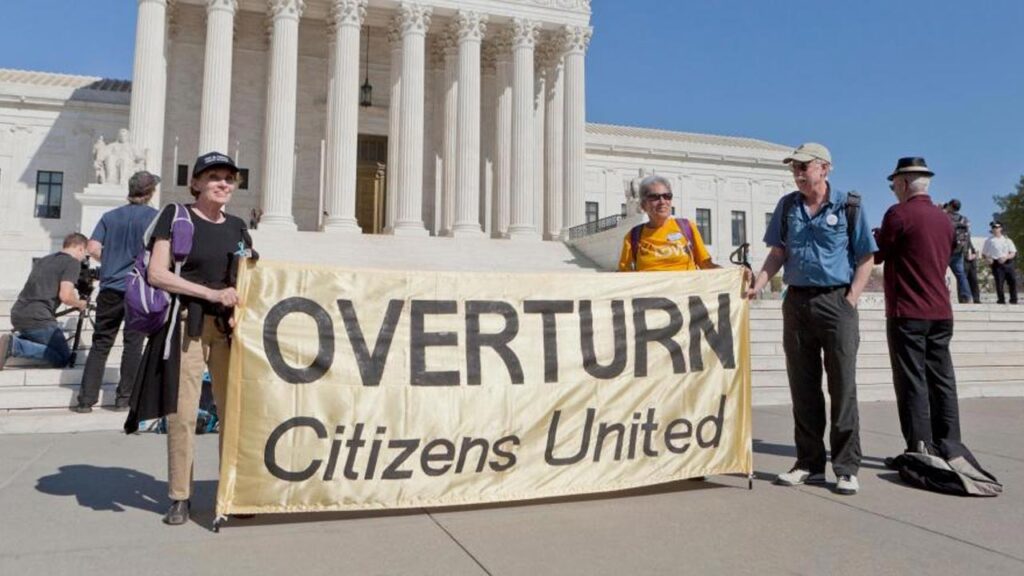
Help us raise awareness—explore creative ideas, learn more,
or support the work through our emporium.