Design a Voting Guide
Designing a voting guide is important because it helps people navigate complex ballots, policies, and candidates with greater clarity and confidence. Many voters want to participate thoughtfully but feel overwhelmed by dense language, conflicting information, or limited time, and a well-designed guide translates that complexity into accessible, understandable choices. Voting guides can highlight key issues, explain implications, and encourage informed participation without telling people how to vote. By lowering barriers to understanding, they empower more people to engage in the democratic process and make decisions that align with their values.
Some handy videos
Helpful steps
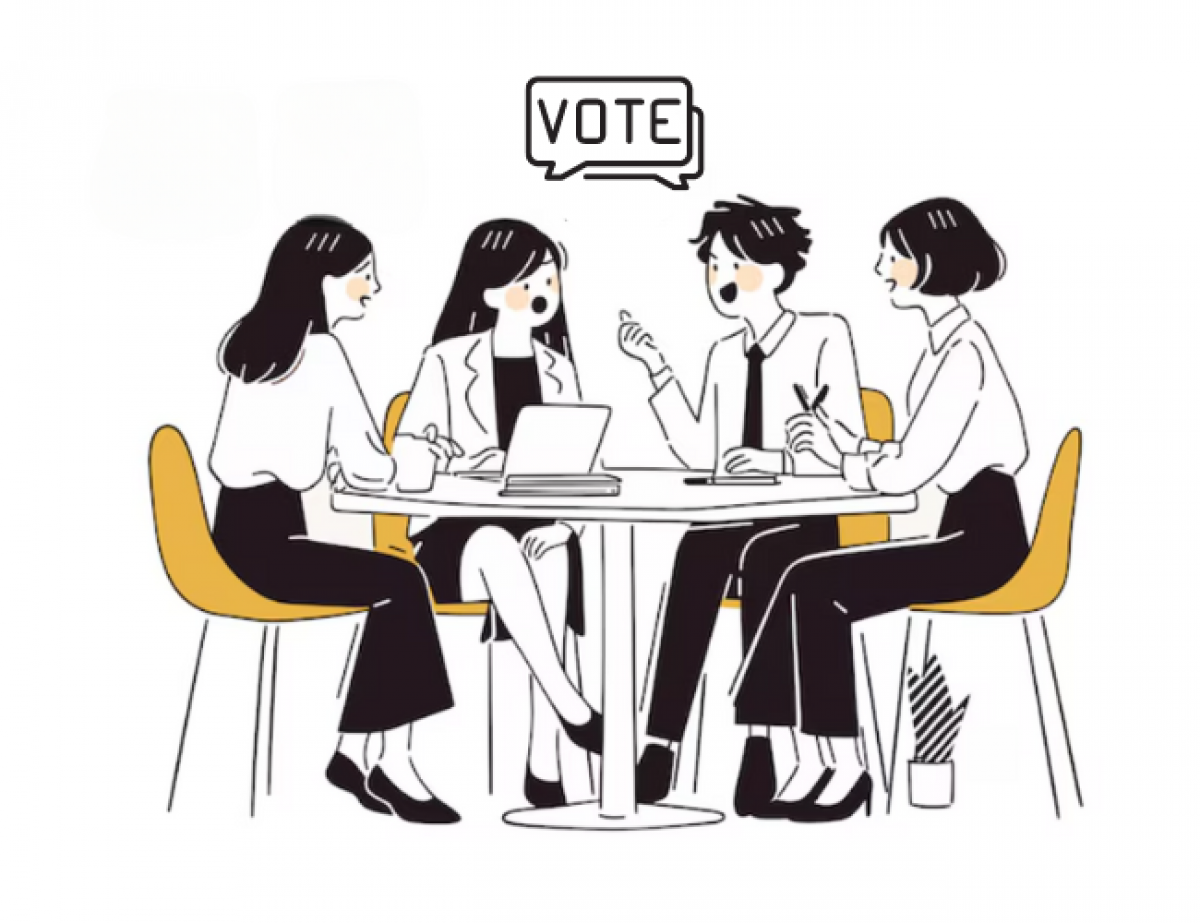
Define the purpose and audience. Decide who the guide is for and what it’s meant to help them do—understand ballot questions, compare candidates, or navigate voting logistics.
Choose a clear scope. Limit the guide to a specific election, region, or set of issues so it stays focused and usable.
Gather reliable information. Pull from official ballots, government websites, nonpartisan organizations, and primary sources whenever possible.
Translate complexity into plain language. Rewrite dense or technical content into clear, neutral explanations without telling people how to vote.
Design for readability and accessibility. Use headings, visuals, summaries, and consistent structure so people can quickly find what they need.
Check for neutrality and clarity. Review the guide for unintentional bias, confusing phrasing, or missing context.
Test with real readers. Share it with a few people from your intended audience to see what’s helpful or unclear.
Update and share responsibly. Keep information current and distribute it where your audience already looks for election info.
Calm-Brains Mode
When making or releasing work—especially around charged topics—it helps to treat anger as information, not fuel. Notice it, write it down, and translate it into clarity rather than letting it take the wheel. Staying calm doesn’t mean dulling your message; it means giving it direction, so the work invites reflection instead of shutting people down. Create from a grounded place where curiosity, care, and intention shape the outcome, allowing your voice to be strong without becoming reactive.
Sharing your work and getting feedback before releasing it helps you see blind spots, clarify your message, and catch misunderstandings you didn’t intend. Early feedback isn’t about diluting your voice—it strengthens it by making sure what you meant is actually what others hear.
Resource Materials
5 Calls – Helps you find your representatives’ contact info and scripts for calling or writing them, which can inform civic sections of a guide. 5 Calls
Vote.org – Comprehensive voter information including registration, absentee ballots, deadlines, and election details for every state. Vote.org
VOTE411 – A one-stop election info hub from the League of Women Voters where voters can look up their ballot, check registration, and learn about candidates. VOTE411.org
Vote Smart – Nonpartisan data on candidates and elected officials, including biographies, voting records, and issue positions to help inform your guide content. Vote Smart
Ballotpedia – A nonprofit election encyclopedia covering federal, state, and local elections, ballot measures, and policy background for inclusion in a guide. Ballotpedia.org

How can you to be involved?
Help us raise awareness—explore creative ideas, learn more,
or support the work through our emporium.