Host a discussion
Hosting a good discussion is less about controlling the conversation and more about creating a space where people feel safe to speak and be heard. Start by setting clear expectations—respect, curiosity, and no interruptions—then introduce the topic in a neutral, inviting way. As people share, your role is to balance participation, gently guide the conversation back when it drifts, and slow things down if emotions rise. Ask open-ended questions, reflect key points so everyone feels understood, and model the tone you want to see. A strong host prioritizes trust and clarity over agreement, making it easier for meaningful dialogue to emerge.

Some handy videos
Helpful steps
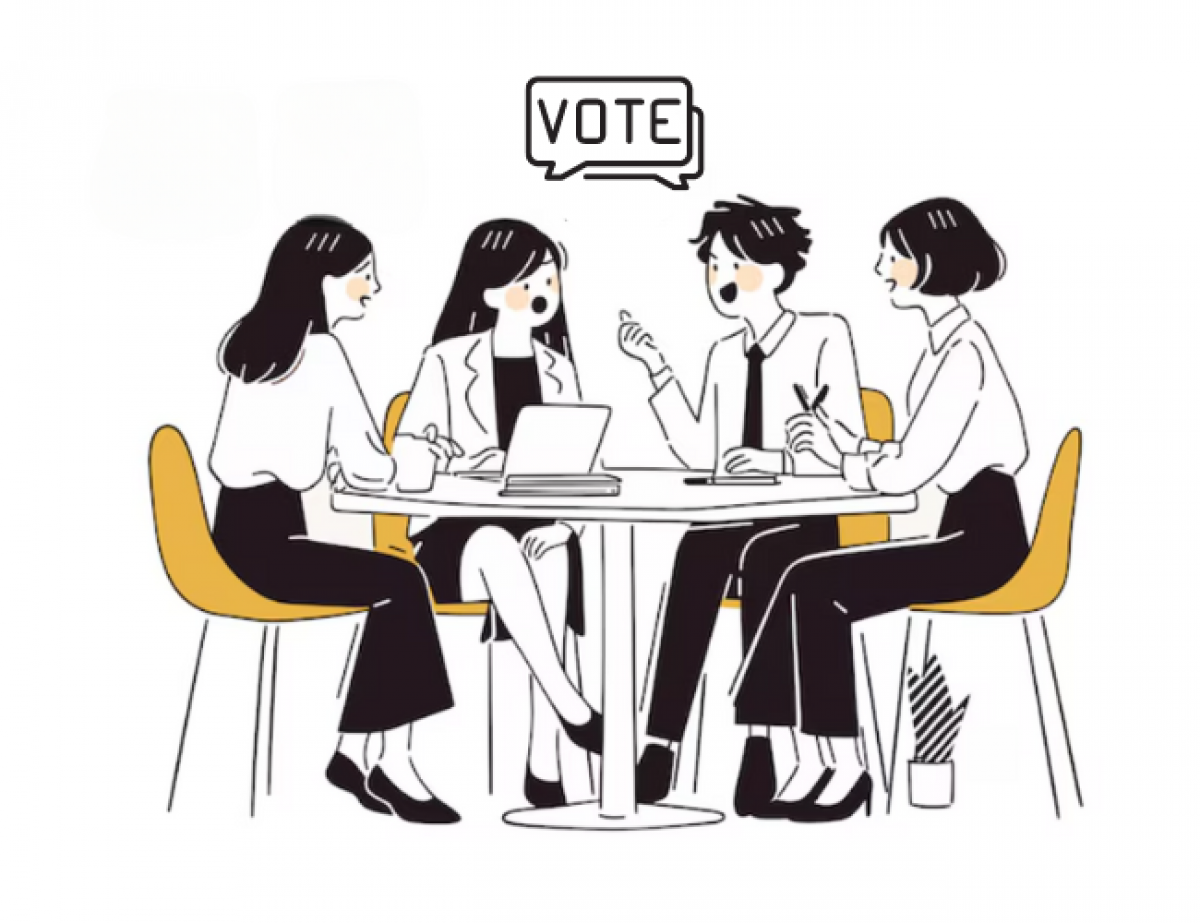
Set the vibe early. Open with a light tone and a quick ground rule like “curiosity over winning” so people know this isn’t a debate cage match.
Start with a warm-up. Use a simple, low-stakes question or poll to get everyone talking right away and lower social tension.
Frame the topic playfully. Introduce the subject as something to explore together, not a problem to solve or a side to defend.
Invite many voices. Encourage quieter participants with open invitations and gently limit over-talkers so no one dominates.
Use short prompts. Ask focused, open-ended questions that spark stories, not speeches.
Reflect and remix. Paraphrase interesting points and connect them—“I’m hearing two themes emerging…”—to build momentum.
Change the format. Mix in pairs, small groups, quick votes, or movement to keep energy up and avoid stagnation.
Welcome disagreement lightly. Normalize different views and reframe tension as curiosity rather than conflict.
Watch the energy. If things get heavy or heated, pause, reset, or shift questions to keep it fun and productive.
Close with connection. End by highlighting shared insights, thanking people, and leaving them curious—not exhausted.
Calm-brains mode
Attempt building bridges, not comment wars!
It’s also important to know when to slow down or step away. If emotions rise, acknowledge them and suggest a pause instead of pushing harder. You don’t need to respond to every claim or correct every fact in the moment—sometimes planting a thoughtful question is more effective than delivering a rebuttal. Focus on long-term trust rather than immediate agreement. A respectful exchange won’t always change minds on the spot, but it can open space for reflection and make future conversations more honest, safer, and more productive.
Resource Materials
How to Talk to People Who Disagree with You Politically – Research-based strategies for focusing on people over politics and finding common ground. Center for Media Engagement: Best Practices for Talking Across Political Differences
Why You Should Talk to People You Disagree With About Politics – Tips on curiosity-based listening and why respectful conversations matter. University of Virginia: Why You Should Talk to People You Disagree With
Guide to Conversations Across the Partisan Divide – A practical guide for setting expectations and maintaining respectful dialogue. National Coalition for Dialogue & Deliberation: Conversations Across the Partisan Divide
10 Tips for Getting People to Talk Across Political Differences – A set of research-informed tips for structuring discussions and sharing values. Greater Good Science Center: Tips for Political Conversations
How to Talk to People You Disagree With Politically (She Should Run) – Persuasive but respectful guidance on finding common ground and discussing disagreements effectively. She Should Run: Talking with People You Disagree With Politically
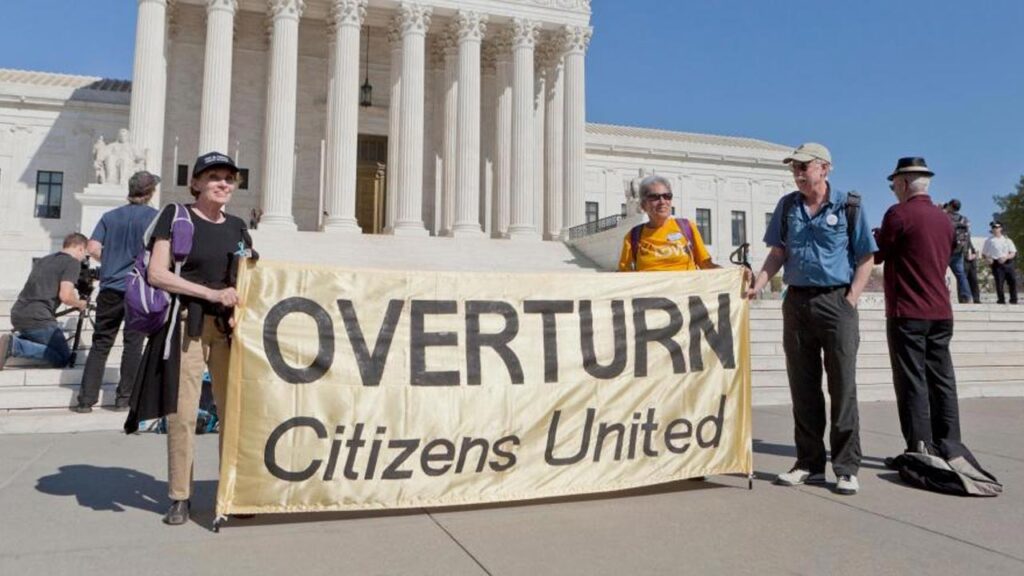
How can you to be involved?
Help us raise awareness—explore creative ideas, learn more,
or support the work through our emporium.