Poems or Spoken Word
Creating political poems or spoken word is important because it gives people a human way to process complex, overwhelming systems that often feel distant or inaccessible. Poetry and spoken word translate policy, injustice, and social tension into emotion, story, and voice—making space for empathy, connection, and reflection rather than just argument. These forms allow individuals, especially those who feel unheard, to reclaim narrative power and speak truth without needing institutional authority or technical expertise. In sharing personal expression, political poetry helps build cultural awareness and collective understanding, reminding us that change begins not only with laws, but with language, feeling, and shared humanity.

Some handy videos
Helpful steps
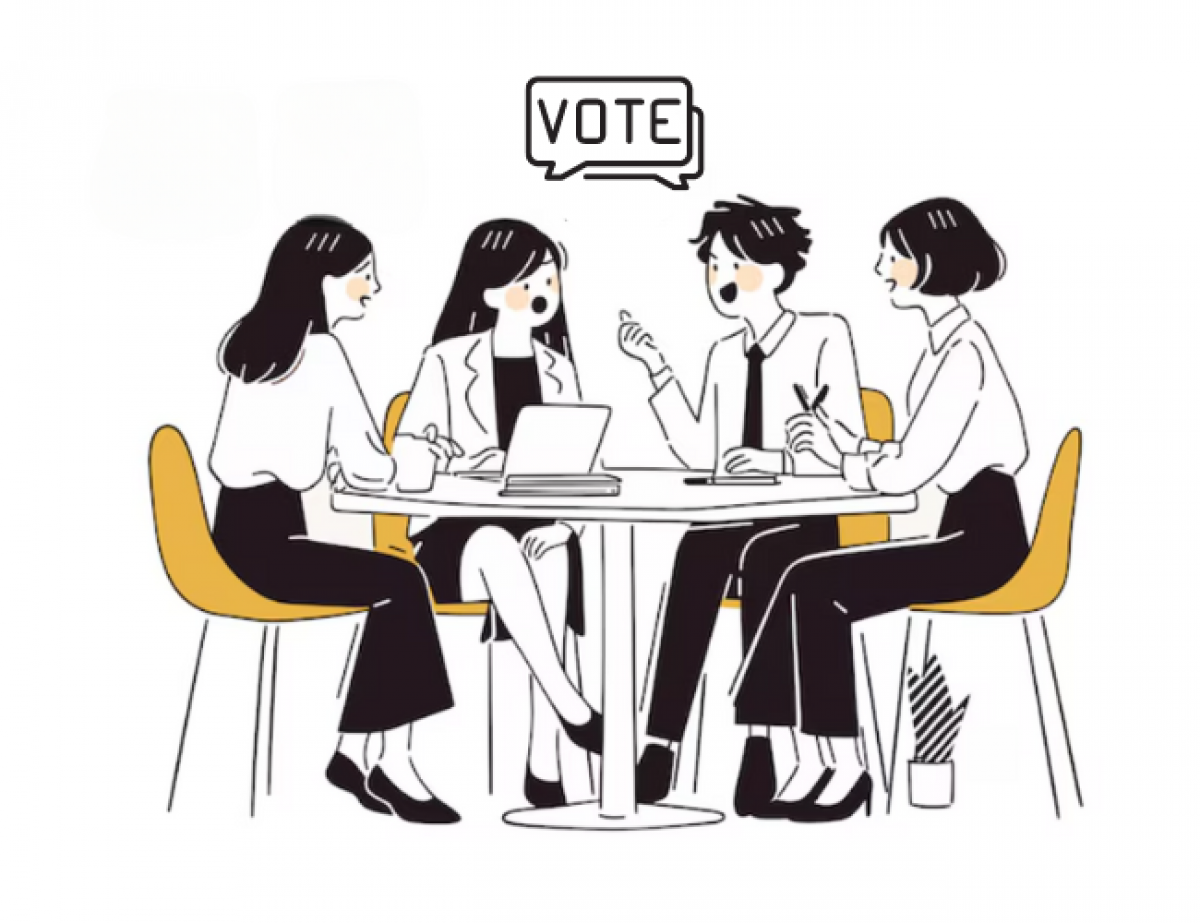
Start from lived experience. Choose a moment, feeling, or observation where politics shows up in real life—something you’ve seen, felt, or struggled with.
Name the emotion first. Anger, grief, hope, fear, or love gives the piece its pulse and helps listeners connect before ideas or arguments appear.
Focus on one clear message. You don’t need to cover the whole issue; one sharp truth or question is more powerful than many scattered points.
Use voice and rhythm intentionally. Read your poem or spoken word out loud as you write, shaping repetition, pauses, and pacing to match the feeling.
Show, don’t explain. Let imagery, metaphor, and story carry meaning instead of lecturing or listing facts.
Refine through performance and feedback. Perform it, record it, or share it with others to hear what lands, then revise to strengthen clarity and impact.
Calm-brains mode
When making or releasing work—especially around charged topics—it helps to treat anger as information, not fuel. Notice it, write it down, and translate it into clarity rather than letting it take the wheel. Staying calm doesn’t mean dulling your message; it means giving it direction, so the work invites reflection instead of shutting people down. Create from a grounded place where curiosity, care, and intention shape the outcome, allowing your voice to be strong without becoming reactive.
Sharing your work and getting feedback before releasing it helps you see blind spots, clarify your message, and catch misunderstandings you didn’t intend. Early feedback isn’t about diluting your voice—it strengthens it by making sure what you meant is actually what others hear.
Resource Materials
Spoken Word & Slam Poetry Resource Hub (Guante) – A curated collection of essays, tools, playlists, and writing resources for emerging and aspiring spoken-word poets. Spoken Word + Slam Poetry Resource Hub
How to Write Spoken Word Poetry (MasterClass article) – Practical tips on starting a spoken-word piece, choosing a topic, and crafting lines that engage listeners. How to Write Spoken Word Poetry – Guide and Tips
Social Justice Poetry Lesson (826 Digital) – A printable lesson and handouts that help you transform personal experience into socially engaged poetry. Social Justice Poetry – Writing Guide & Lesson
Getting Started with Original Spoken Word (Speech & Debate guide) – An introduction to spoken-word basics, finding your voice, and expressing your thoughts through performance. Getting Started with Original Spoken Word Poetry
Spoken Word + Social Justice Playlist (YouTube) – A playlist of spoken-word performances that tie into social justice themes and can inspire your own writing and performance. Spoken Word & Social Justice Playlist (YouTube)
How can you to be involved?
Help us raise awareness—explore creative ideas, learn more,
or support the work through our emporium.