Choreograph a Movement Piece
Choreographing a movement piece as a political response is powerful because the body communicates what words often cannot. Movement makes abstract systems tangible—turning tension, resistance, solidarity, grief, or hope into something visible and felt—allowing audiences to connect on an emotional and intuitive level rather than through argument. Dance bypasses language barriers and ideological defenses, inviting people to witness lived experience through gesture, space, and rhythm. By placing the political message in the body, choreography reminds us that policies and power structures ultimately affect real people, real bodies, and real relationships, making movement an especially human and compelling form of civic expression.
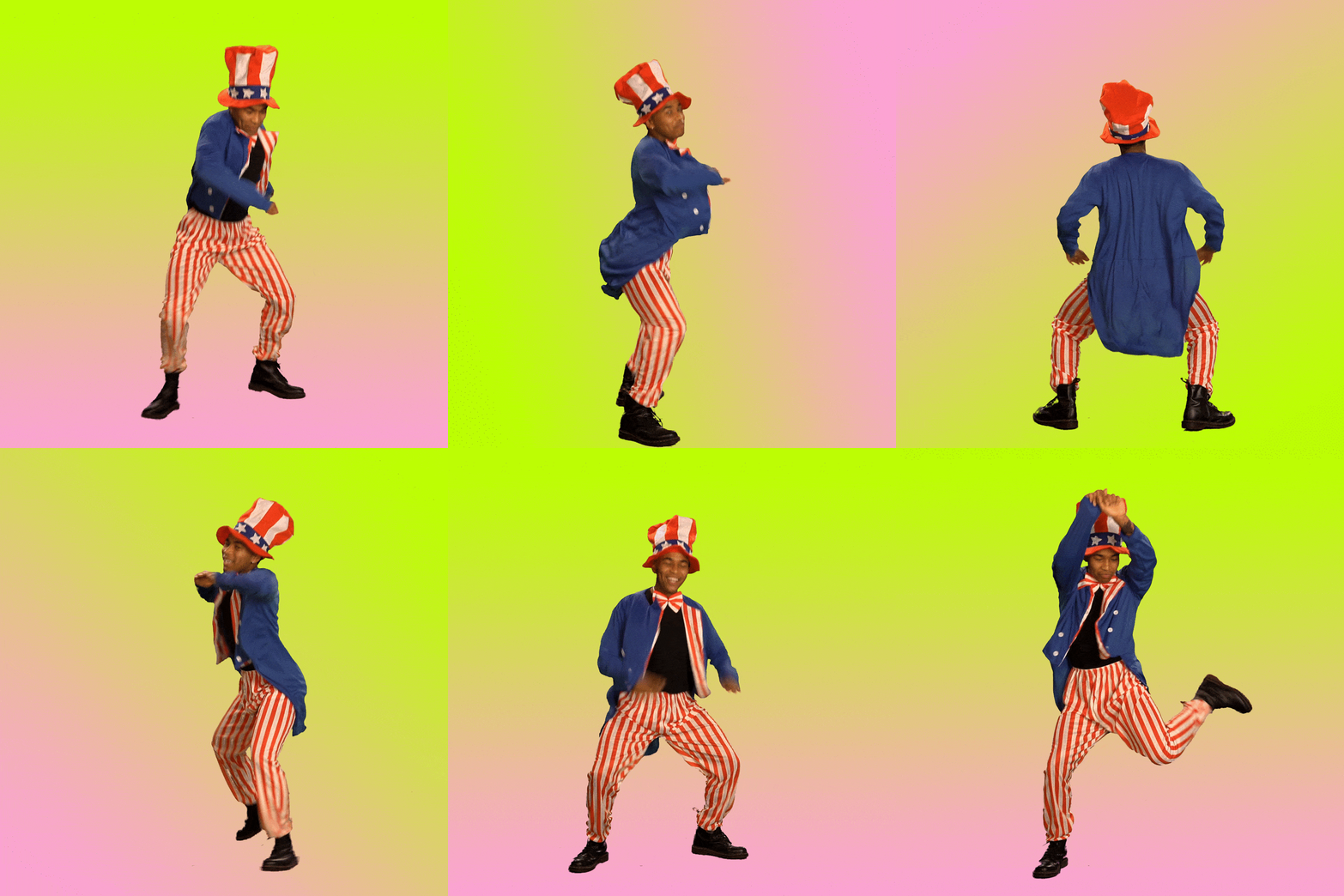
Some handy videos
Helpful steps
Start from lived experience. Choose a moment, feeling, or observation where politics shows up in real life—something you’ve seen, felt, or struggled with.
Name the emotion first. Anger, grief, hope, fear, or love gives the piece its pulse and helps listeners connect before ideas or arguments appear.
Focus on one clear message. You don’t need to cover the whole issue; one sharp truth or question is more powerful than many scattered points.
Use voice and rhythm intentionally. Read your poem or spoken word out loud as you write, shaping repetition, pauses, and pacing to match the feeling.
Show, don’t explain. Let imagery, metaphor, and story carry meaning instead of lecturing or listing facts.
Refine through performance and feedback. Perform it, record it, or share it with others to hear what lands, then revise to strengthen clarity and impact.
Calm-Brains Mode
When making or releasing work—especially around charged topics—it helps to treat anger as information, not fuel. Notice it, write it down, and translate it into clarity rather than letting it take the wheel. Staying calm doesn’t mean dulling your message; it means giving it direction, so the work invites reflection instead of shutting people down. Create from a grounded place where curiosity, care, and intention shape the outcome, allowing your voice to be strong without becoming reactive.
Sharing your work and getting feedback before releasing it helps you see blind spots, clarify your message, and catch misunderstandings you didn’t intend. Early feedback isn’t about diluting your voice—it strengthens it by making sure what you meant is actually what others hear.
Resource Materials
Dance and Political Activism – Study Guide
Overview of how dance has been used historically to express dissent, challenge norms, and communicate political ideas through movement.
https://fiveable.me/history-of-dance/unit-11/dance-political-activism/study-guide/KDKght1tuuJOluVrDance Is the Weapon for Social Justice (Dance/USA eJournal)
An article highlighting how contemporary dancers use movement and dance to illuminate forgotten histories and push social justice narratives.
https://www.danceusa.org/ejournal/2020/10/03/dance-weapon-social-justiceWhat is Dance Activism? (JSTOR Daily)
A clear explanation of dance activism and examples of how dance has been part of movements like Black Lives Matter, showing dance as resistance and embodied expression.
https://daily.jstor.org/what-is-dance-activism/Social Choreography: A Practice of Dancing Toward Liberation
An article about “social choreography” as a practice of moving bodies in space toward liberation and collective expression.
https://www.miad.edu/social-choreography-a-practice-of-dancing-toward-liberationChoreographing Justice Series to Mobilize Social Equality
A description of a university series and resources that explore how choreography can be used to engage communities in discussions about justice, equality, and representation.
https://pma.cornell.edu/news/dance-activism-choreographing-justice-series-mobilize-social-equality
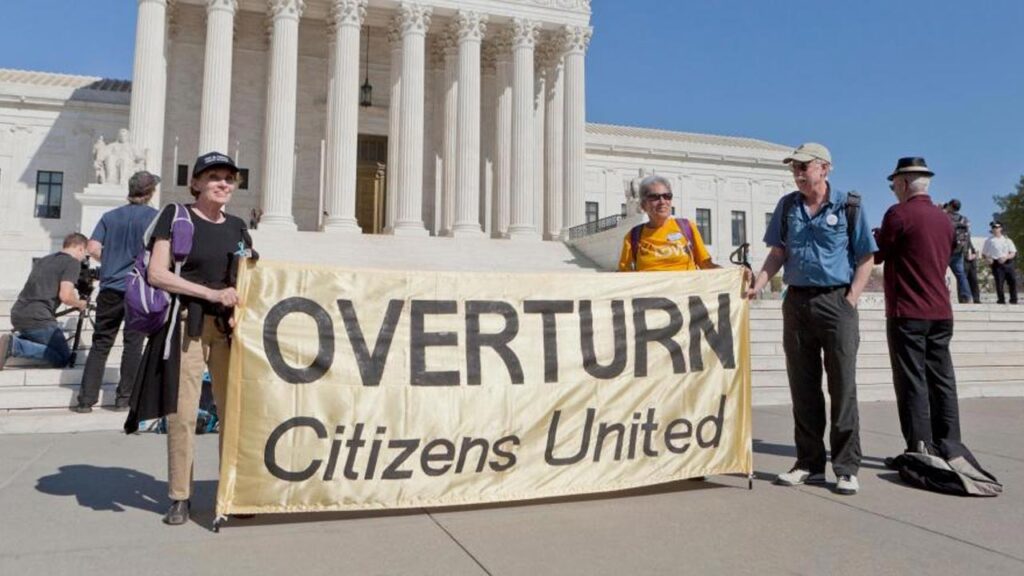
How can you to be involved?
Help us raise awareness—explore creative ideas, learn more,
or support the work through our emporium.